Across the country, water authorities are re-evaluating the traditional meter vault for commercial, industrial and residential applications. More municipalities are no longer allowing below-grade meter vaults for backflow preventer installation, and the reasons are clear.
First, the increased use of reduced pressure zone assemblies. RPZ devices can’t be installed below grade. Their design requires proper drainage and testing access, which vaults simply can’t accommodate.
Second, water jurisdictions are recognizing the inherent safety risks that vaults create for maintenance personnel and the public.
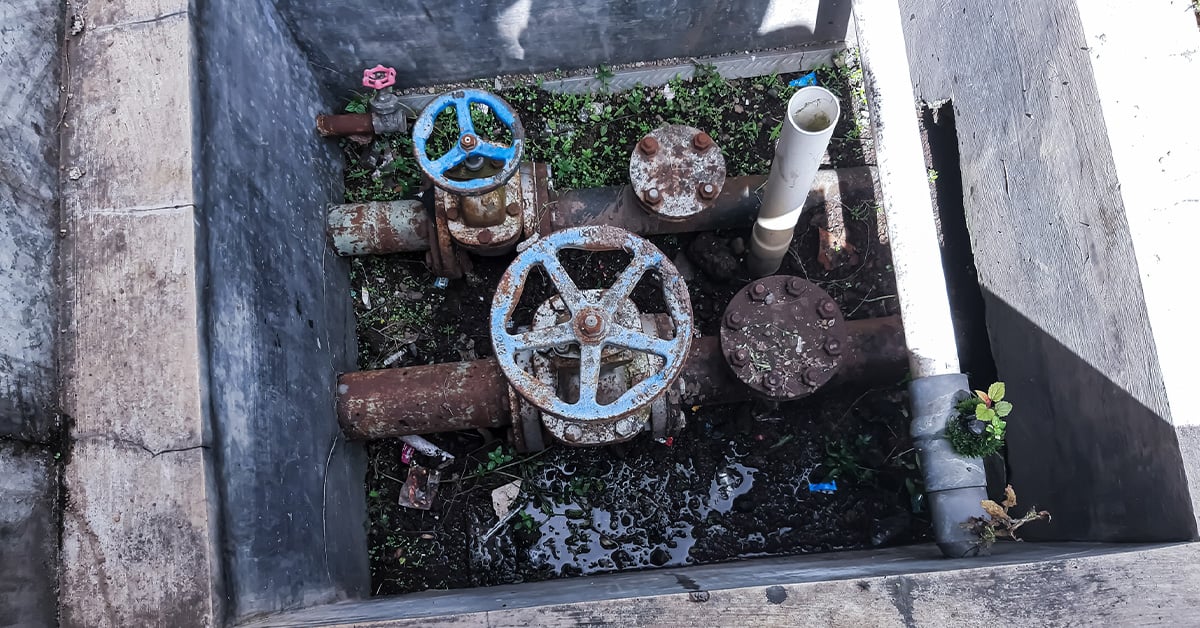
- Meter vaults create safety hazards for personnel conducting inspections, testing or ongoing service of water meters and backflow assemblies.
- These vaults are susceptible to water intrusion, especially in regions with elevated groundwater levels or regular heavy rainfall.
- Accessing a meter vault requires compliance with OSHA confined space regulations, which can increase project timelines, labor expenses and liability risk.
A new trend is gaining traction: moving water meters out of precast concrete meter vaults and into the same above-ground enclosure as the backflow preventer. This shift is proving to be a smarter, safer and more efficient solution.
Meter Vaults Create Safety and Labor Challenges
Entering a water meter vault is classified as a confined-space entry by OSHA. That means maintenance folks can’t just lift a lid and get to work.
At least two people are typically required. Depending on the depth of the vault, fall protection may be necessary. If the vault has collected water, a sump pump may be needed before anyone can enter. All of this increases labor costs, slows down testing and adds complexity to routine maintenance.
Precast concrete meter vaults were once considered standard because of their superior durability. But durability alone doesn’t make a system efficient. When a vault fills with water or restricts easy access, the reliability and efficiency of your water meters suffer.
Above-ground aluminum enclosures eliminate these confined-space concerns. They provide easy access for maintenance, simplify testing and reduce labor requirements on both installation and long-term maintenance.
Smaller Footprints for Tighter Projects
Water meters have evolved, and will continue to. Many devices now require little to no straight pipe length before and after the meter, making more compact configurations possible.
When you install the meter inside the backflow enclosure, you can reduce the overall footprint. On commercial properties with limited space, saving even a few square feet can make a difference.
Instead of designing separate vaults and enclosures to accommodate different equipment and controls, you consolidate everything into one coordinated solution. That makes your plans cleaner, your specs clearer and your next project more efficient.
Use our free CAD files to design your water meter above ground.
Lower Installation and Labor Costs
Every project eventually faces budget pressure. When costs climb, value engineering begins. Too often, that process cuts quality without delivering real value.
Relocating the meter into the enclosure is one change that can genuinely reduce overall costs. Installing a water meter vault constructed of precast concrete, along with a separate enclosure for the backflow preventer, typically costs more than combining both inside one enclosure.
Eliminating excavation, additional precast concrete structures and extra labor helps contractors deliver meaningful savings. Many municipalities and contractors simply haven’t compared the numbers closely enough to see the opportunity.
For many projects, this single design decision can save thousands of dollars while improving access, reliability and long-term maintenance efficiency.
Location and Aesthetics Matter
Where you install the meter and enclosure is just as important as how you install it.
Too often, enclosures end up at a property's primary entrance because that’s where the vault was historically located. Building owners rarely appreciate that placement.
Look at how other utilities are handled. Electrical transformers are placed out of sight. Dumpsters are screened with fencing and landscaping. The same forethought should go into the location of your meter and backflow enclosure.
Consider placing enclosures along property lines or toward the rear of the site. Strategic placement improves aesthetics without compromising system accuracy, testing access or performance.
Color and finish also play a role. More enclosures are now installed in tan or green to blend with landscaping. Vinyl wraps are becoming more common for projects that require enhanced visual appeal. These features allow municipalities to protect critical devices while respecting architectural intent.
Forward-Thinking Municipalities Are Leading the Way
Utilities like Middlesex Water Company have published detailed specs that support above-grade meter and backflow configurations. Their standard details reference above-ground meter enclosures and clearly address the risks associated with installing RPZ devices inside buildings, including potential flood exposure.
Middlesex provides comprehensive standard details where the meter is installed inside the enclosure alongside the backflow preventer. New Jersey American Water and Suez have implemented similar approaches.
These aren’t experimental ideas. They’re practical, field-tested configurations that improve safety, simplify maintenance and increase reliability.
Move Your Meter Vault Above Ground
If you’re a design engineer, review your current plans and specs. Are you defaulting to a water meter vault because that’s how it’s always been done? Or are you selecting the most efficient solution for installation, maintenance and long-term performance?
If you represent a municipality, evaluate whether your current standards still reflect best practices. Updating your specs to support above-ground meter and backflow installations can reduce costs, improve safety and deliver better outcomes for commercial properties and contractors alike.
Change isn’t always easy, but it’s often necessary to better protect our water supply.
If you’re planning your next project and want to explore better configurations for your meter and backflow system, we’re ready to help you move forward with confidence.

.jpg?width=206&name=MadeInUSA-Icon%20(1).jpg "MadeInUSA-Icon (1)")